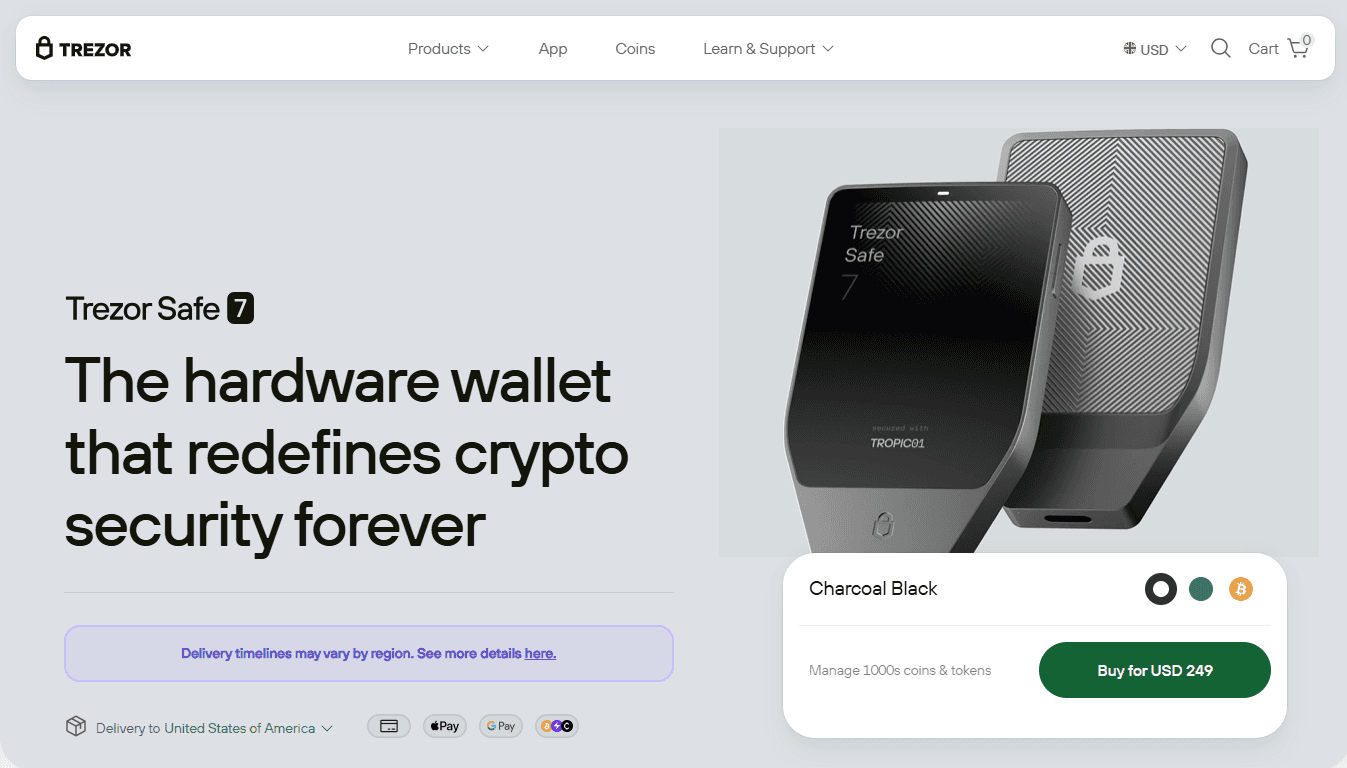
Trézor.io/Start® is the official onboarding gateway for users who want to set up and secure their Trezor hardware wallet. It acts as a guided starting point that ensures your device is genuine, properly configured, and protected against online threats. For beginners and advanced users alike, Trézor.io/Start® simplifies the process of safeguarding digital assets.
What Is Trézor.io/Start® Used For?
Trézor.io/Start® helps users initialize their hardware wallet safely. It provides step-by-step instructions for:
Installing the correct firmware
Creating or restoring a wallet
Backing up recovery phrases
Setting security preferences
This platform minimizes risks such as phishing attacks and unauthorized access by guiding users through verified steps.
How Trézor.io/Start® Works
When a user connects their Trezor device to a computer, Trézor.io/Start® detects the device and walks the user through the setup process. The interface ensures firmware authenticity and helps generate private keys offline, which is a major security advantage over software wallets.
Supported Devices and Compatibility
Trézor.io/Start® supports major Trezor hardware models and works across multiple operating systems including Windows, macOS, and Linux. The setup is browser-based, meaning users do not need advanced technical skills to complete initialization.
Security Features of Trézor.io/Start®
Security is the foundation of Trézor.io/Start®. Key features include:
Offline private key generation
Recovery seed creation and verification
PIN and passphrase protection
Firmware validation checks
These features ensure that sensitive wallet data never leaves the device, significantly reducing hacking risks.
Why Trézor.io/Start® Is Important for Crypto Users
Using Trézor.io/Start® is essential for anyone serious about crypto security. It prevents users from accidentally setting up wallets on unsafe platforms and ensures compliance with best security practices. This is especially important for long-term investors storing large amounts of digital assets.
Common Mistakes to Avoid
Users should avoid:
Skipping recovery seed backup
Storing recovery phrases digitally
Using unofficial setup links